WA Citizen Science Bat Monitoring Project: A Community-Driven Success
Kelly Sheldrick is an ecologist and the Citizen Science Program Manager at the Conservation Council of WA, Co-founder of the WA Bat Network and First Vice President of the Australasian Bat Society.
When Kelly returned to Western Australia in 2023 after spending 15 years overseas, she saw an opportunity to mobilise citizen science within bat ecology. She used Wildlife Acoustics’ grant to undertake a project focused on community engagement and knowledge uplift within Western Australia.
Bats are crucial to biodiversity maintenance as they assist with pollination and dispersal of seeds through guano. They are a diverse bunch, with some species eating flower nectar and pollen as their main food source while some microbats can ingest over 1000 insects in just one night, helping to manage levels of mosquitos and other pest species.
Determining distribution ranges and measuring population changes over time can act as an indicator of ecosystem health, habitat loss and other disturbances.
The Problem
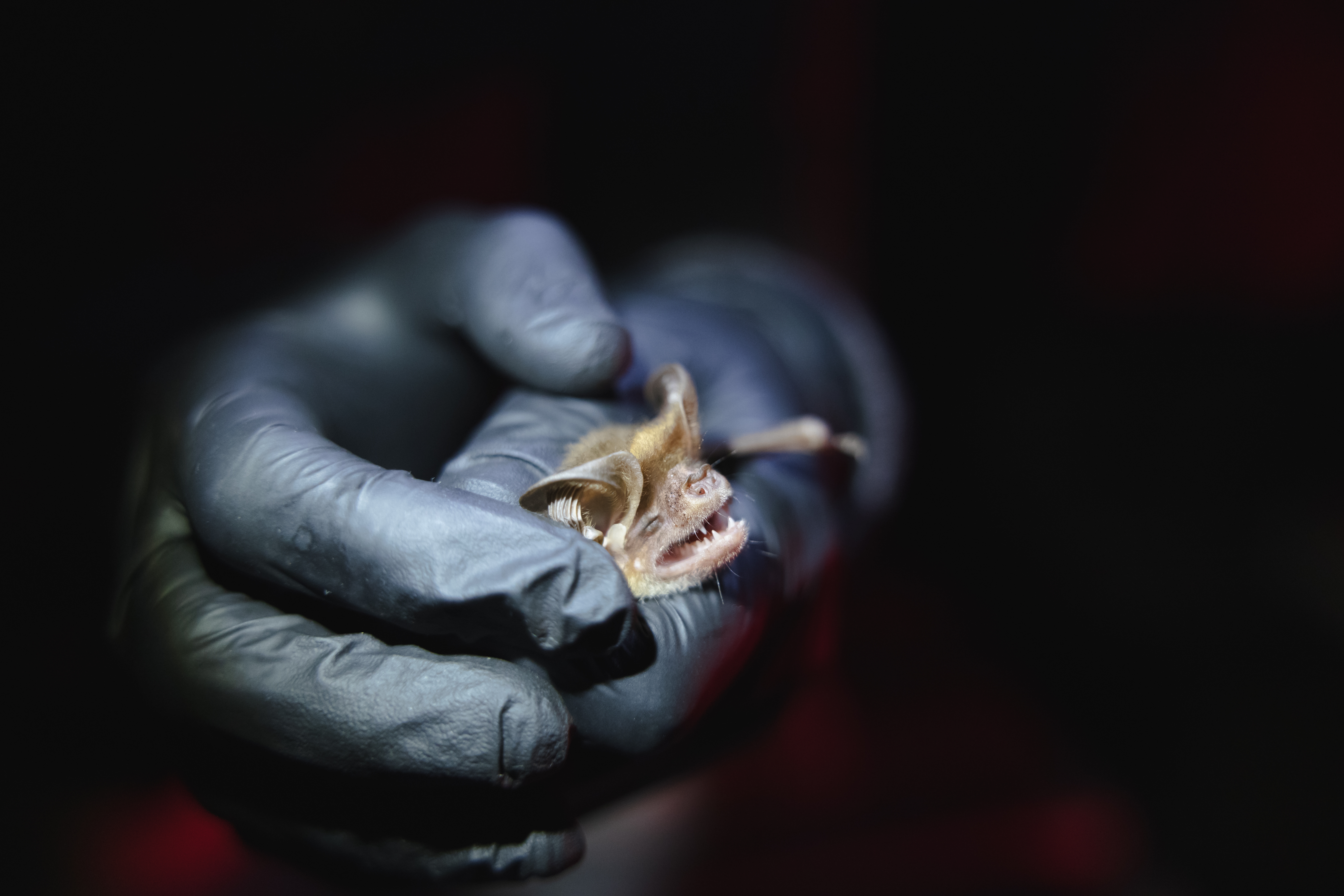
Perth and southwest Western Australia is home to nine bat species, yet public awareness is low and, with no flying foxes in the city, many residents don’t even realise bats are present. Bats struggle with a perpetual image problem among the public and Kelly saw an opportunity to utilise citizen science to collect meaningful data and combat long held misconceptions.
There had never been a coordinated community study on WA’s microbats. “There’s huge potential,” Kelly says. “We have 42 species across WA, but so little grassroots knowledge.” She aimed to tackle two major barriers: build a large-scale, community-powered monitoring program, and simultaneously demystify bats to shift public perception.
The Solution
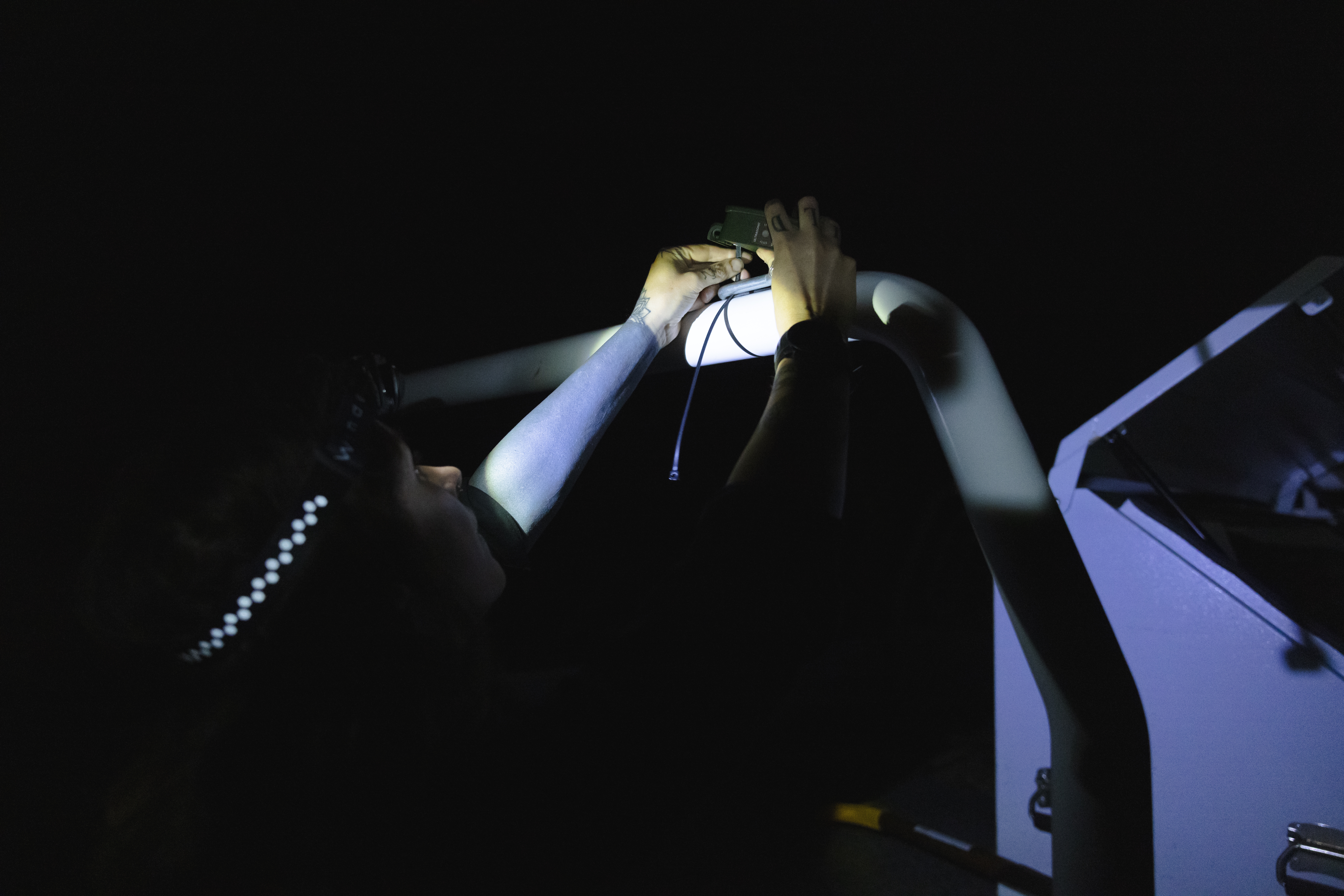
Working through the Conservation Council of WA (CCWA) with its network of over 100 member groups, Kelly launched the WA Citizen Science Bat Monitoring Project. Using acoustic monitoring and easy-to-follow survey methods, volunteers could collect meaningful data without specialist skills, allowing wide-scale participation.

She used Wildlife Acoustics’ Echo Meter Touch 2 (EMT 2) devices paired with Android phones to record bat calls. Transect surveys consisted of 5km walks with 10 stops for 2–3 minutes of recording.
To reach volunteers Kelly leveraged conservation networks, university volunteer websites, a dedicated WA Bat Monitoring Facebook group, and community bat walks and training events.
The project covered a vast area, from Lancelin in the north of WA to Albany in the south. A region roughly the size of Western Europe!
Pilot results and moving forward
86 “bat champions” conducted surveys with 20 transects completed twice each week, spending a total of 369 hours walking for a total distance of 688km.
With an estimated 75-80% success rate in active monitoring, the pilot was an accomplishment in terms of outreach and data collection.
During this period 2,534 individual bat calls were recorded. 94% of surveys recorded bat echolocation calls, 40% of surveys recorded bat foraging behaviour, and 28% of surveys recorded bat social behaviour.
While those numbers alone serve as a clear measure of success, the ongoing public engagement and sustained interest are equally important. The project received consistent positive feedback and, more importantly, cultivated long-term relationships that have continued to grow over time. Kelly and the team have continued the initiative this year and, with much more data still being analysed, have a good picture of bat movement across the Perth area.
Many participants continued beyond training, and the City of Wanneroo approached Kelly to help set up monitoring for their biodiversity programs, highlighting the program’s wider potential.
Adjustments made for the program’s second year
A citizen science program is always a complex endeavour with unpredictable variables. Given this, Kelly and the team decided to make a number of changes for the second-year study. These included focusing on a smaller area around Perth, allowing for greater direction and deeper analysis.
With volunteering being a key part of the study the decision was made to simplify the survey design by reducing the transects to two 2.5km loops without designated stop points.
An important part of the next stage of the project was to add a human ethics competent to evaluate the social benefits of participation. Results from this are currently being analysed.
Ecological Outcomes
One interesting finding is the potential contraction of the chocolate wattled bat (Chalinolobus morio) from urban Perth. The species was not identified in either trapping or acoustic surveys, leading to a more targeted search for the species in this area.
Kelly and the team are hoping to work out what led to the contraction to better protect the chocolate wattled bat in areas where the species does exist, but where similar impacts from development and urbanisation (e.g. Margaret River region) are emerging.

Impact
The project showed that well-designed citizen science can change minds and collect valuable data, even on misunderstood animals like bats. Community feedback, participant retention, and new collaborations were key success metrics.
Such studies are reliant on both community engagement and funding from key partners such as the Wettanhall Environment Trust, Australian Citizen Association and City of Wanneroo.
As the team of staff and enthusiastic volunteers move forward to publish findings and expand monitoring through new partnerships, Kelly encourages others not to be deterred by the fear of failure. “Even if everything goes wrong, you’ll still make a difference. If five people understand bats better, and tell five more, you’re creating change by addressing two of the key threats impacting bats; misinformation and negative perceptions,” she said.
In the spirit of reconciliation, Faunatech acknowledges the Traditional Custodians of Country throughout Australia and their connections to land, sea and community. We pay our respect to Elders past and present and extend that respect to all Aboriginal and Torres Strait Islander peoples today.
Join our mailing list to get notified about upcoming training opportunities, live webinars, quarterly grant offerings, product releases, and more.
Thank you for signing up to our mailing list.
You can unsubscribe or change your email settings at any time by clicking "Manage Preferences" link at the bottom of any mailing list emails we send you.
