Cryptic Species with Bioacoustics
Max de Beer (Team Lead - Ecology) and the team at Lodge Environmental surveyed a 380-hectare site, intended to be established as a Biodiversity Stewardship Site. They used an acoustic monitoring program to confirm the presence of target species, including Barking Owl and Koala. However, the survey delivered an unexpected detection that will help shape the site’s conservation management moving forward.
Detecting Cryptic Species
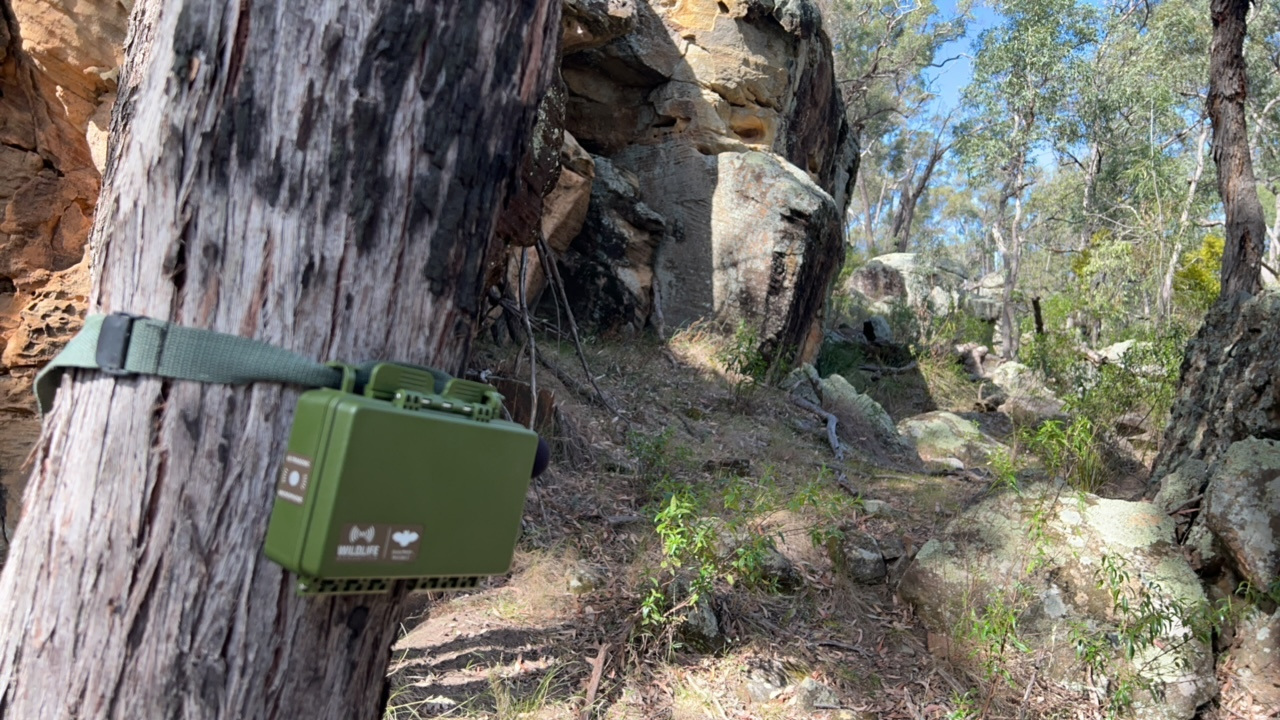
The original aim of the survey was to detect Barking Owl and Koala, both species with a moderate to high likelihood of occurrence based on the site’s vegetation and location. The landscape included rocky ranges, forested slopes, and open woodland, all of which provided potentially suitable habitat. Despite this, neither species was ultimately detected during the survey period.
However, the Squirrel Glider, a cryptic, nocturnal species rarely encountered using conventional methods such as spotlighting, was detected via the acoustic survey program. This incidental detection had major implications for biodiversity credit generation, directly informing long-term management actions and elevating the conservation value of the site.
Stakeholders and Decision-Makers
The primary stakeholder was the landholder, who commissioned and funded the surveys. Early engagement was critical to ensure survey objectives, methods, and outcomes were clearly communicated in the lead-up, helping the landholder understand why acoustic surveys were necessary and how the results could translate into tangible conservation and financial outcomes.
The approval authority enters the process toward the end of the initial survey period. Their role is decisive, making robust and defensible survey data essential.
Building Buy-In
Stakeholder confidence in acoustic monitoring had already been established at the same site during earlier surveys targeting Large-eared Pied Bat. The rocky outcrops provided ideal habitat, and a positive detection helped validate acoustics as a reliable method for difficult-to-detect species.
Previous successes on other sites further strengthened confidence. The team was also keen to assess seasonal variation, with initial deployments occurring in winter and follow-up surveys planned for summer when vocal activity of certain species, particularly owls and koalas, was expected to increase.
Choosing and Deploying Devices
Historically, the team had relied heavily on AudioMoth recorders. As acoustic monitoring became more integrated into their workflow, however, they identified the need for equipment that was more user-friendly and offered stronger data traceability.
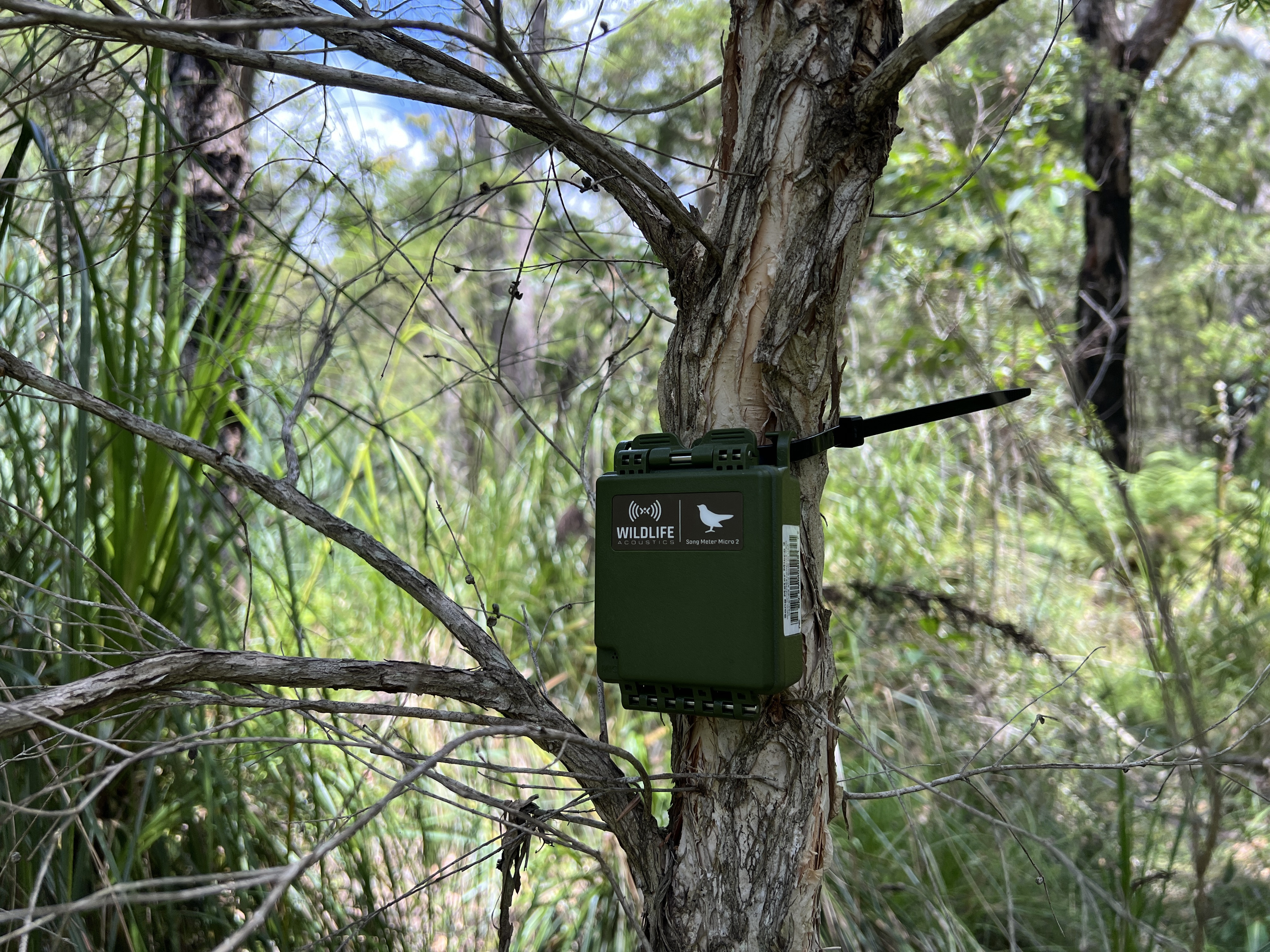
After assessing budget constraints and site coverage requirements, Wildlife Acoustics’ Song Meter Micro recorders emerged as the best fit due to their effective detection radius, battery life suitable for the 4-5 week deployment periods, competitive cost per unit, and reliability.
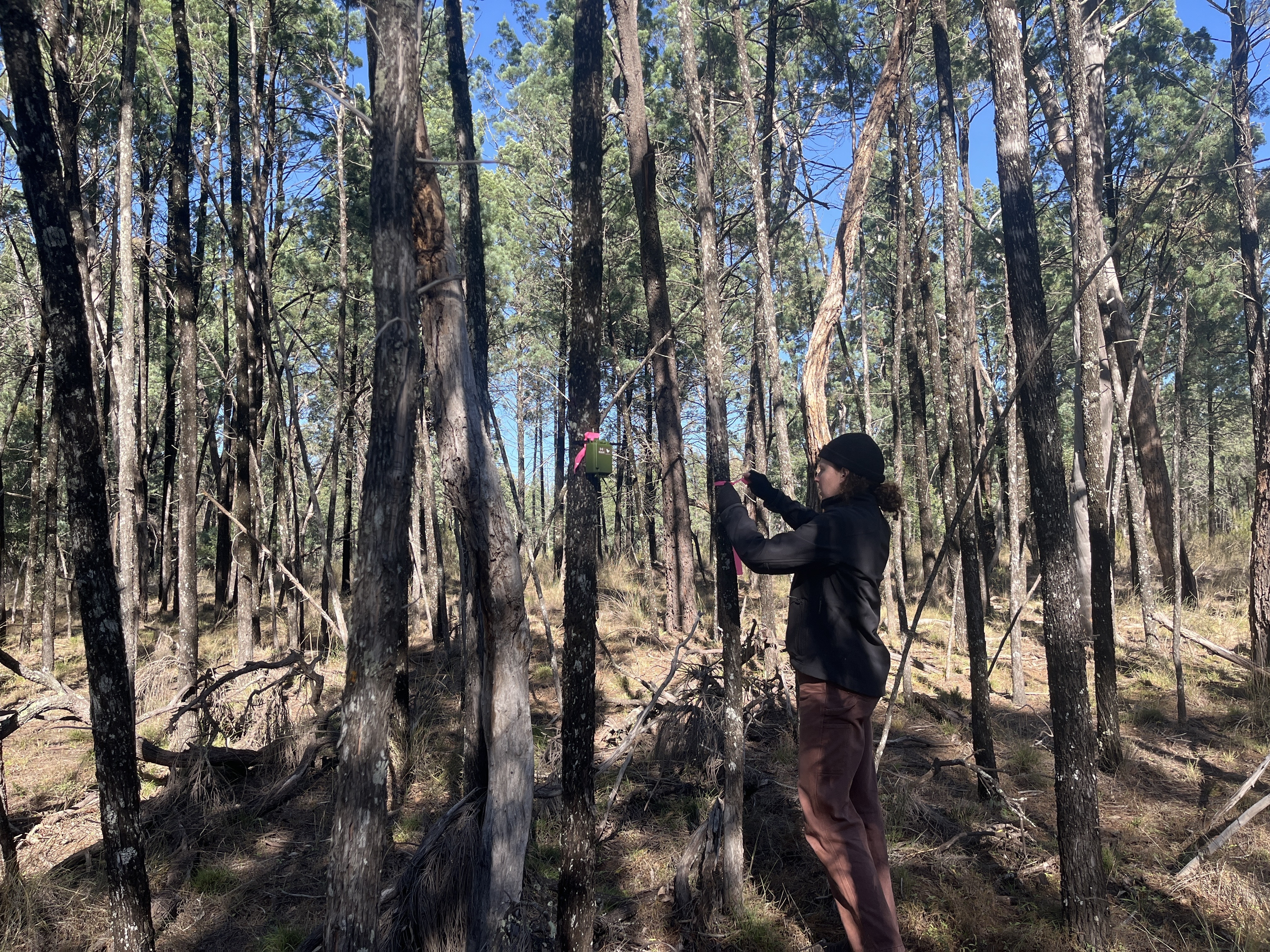
In total, 12 recorders were deployed across the site, spaced approximately 300–400 metres apart in a grid system, ensuring comprehensive coverage.
The broader project team consisted of 6–8 people, though deployment of acoustic recorders and camera traps was handled by a two-person field team. Alongside the 12 acoustic recorders, 12 camera traps were also installed to complement the survey effort.
Detecting the Squirrel Glider
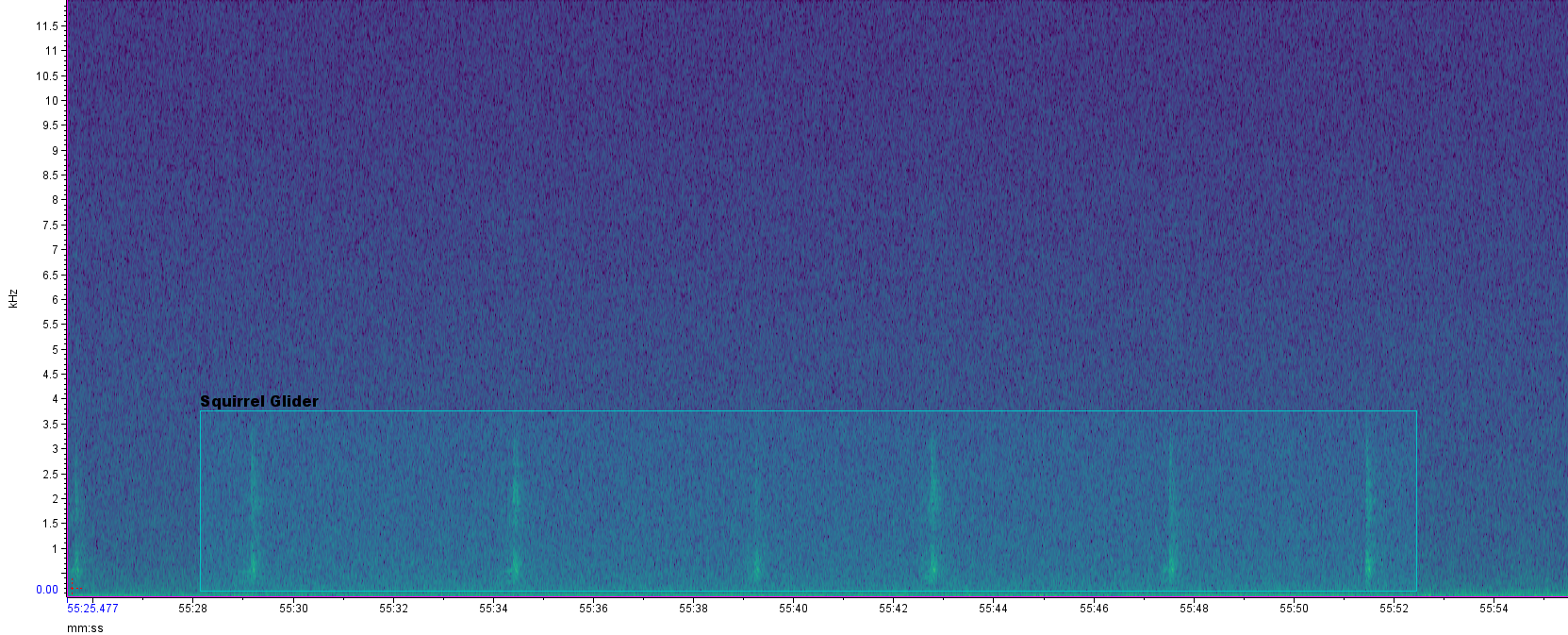
Without acoustic monitoring, Squirrel Glider would almost certainly have remained undetected. The species called infrequently (around 10 detections in total) and primarily between midnight and 4 a.m., well outside typical spotlighting windows.
Despite camera traps being placed nearby (some baited), Squirrel Gliders were never detected visually. A mass flowering event during the survey period likely reduced the effectiveness of lures, as food was abundant across the landscape. Acoustic monitoring, by contrast, passively covered the entire site night, independent of animal movement patterns or attraction to bait.
The result was clear: acoustics proved more efficient, cost-effective, and scalable than traditional methods for detecting low-density, cryptic species.
Measuring Success
While Barking Owl and Koala were not recorded, detecting a threatened species that had never previously been confirmed on the site was a significant win.
The project now serves as a proven case study for using acoustics to survey cryptic fauna. Beyond presence/absence data, it also improved understanding of Squirrel Glider calling behaviour, timing, and detectability. These insights will inform future survey design both on this site and elsewhere.
Long-Term Conservation
The project will likely transition into active management over the next 12 months. A perpetual management plan will be funded through the sale of biodiversity credits, supporting actions such as feral predator control (cats, foxes, pigs), weed management, and habitat enhancement.
The confirmed presence of Squirrel Gliders is now a central pillar of the site’s conservation value, alongside other threatened species such as Eastern Pygmy-possum.
Ongoing success will be measured by species persistence. Every 3–5 years, robust monitoring will be undertaken to reconfirm presence, particularly following major disturbances such as fire events.
Lessons Learned and Advice for Others
One of the strongest takeaways was the value of surveying beyond strict compliance requirements. Familiarity with equipment, data handling, and analysis increases the likelihood of incidental detections that can dramatically change conservation outcomes.
For practitioners considering similar projects, it is advised to survey often and early, and design surveys for longevity.
In the spirit of reconciliation, Faunatech acknowledges the Traditional Custodians of Country throughout Australia and their connections to land, sea and community. We pay our respect to Elders past and present and extend that respect to all Aboriginal and Torres Strait Islander peoples today.
Join our mailing list to get notified about upcoming training opportunities, live webinars, quarterly grant offerings, product releases, and more.
Thank you for signing up to our mailing list.
You can unsubscribe or change your email settings at any time by clicking "Manage Preferences" link at the bottom of any mailing list emails we send you.
